The Heart of the Heater: The Vaporizer Chamber of an Electronic Kerosene Heater, and Its Upkeep
In my last post I talked about my electronic kerosene heater that I’d been using for eight years, which came back to life after I spent NT$4,000 to replace its “vaporizer chamber.” In this post, let’s take a closer look at this part that’s called the “heart” of the heater.
The Enormous Difference Between a New Part and an Old One
The vaporizer chamber is the core of an electronic kerosene heater. Its operating principle is to let liquid kerosene enter this part, heat it into a gas, and then burn it.
You can think of it as a little boiler. A clean new part has bright, gleaming inner walls, while a part that’s seen long use has inner walls caked with thick carbon deposits and tar, blackened by soot.
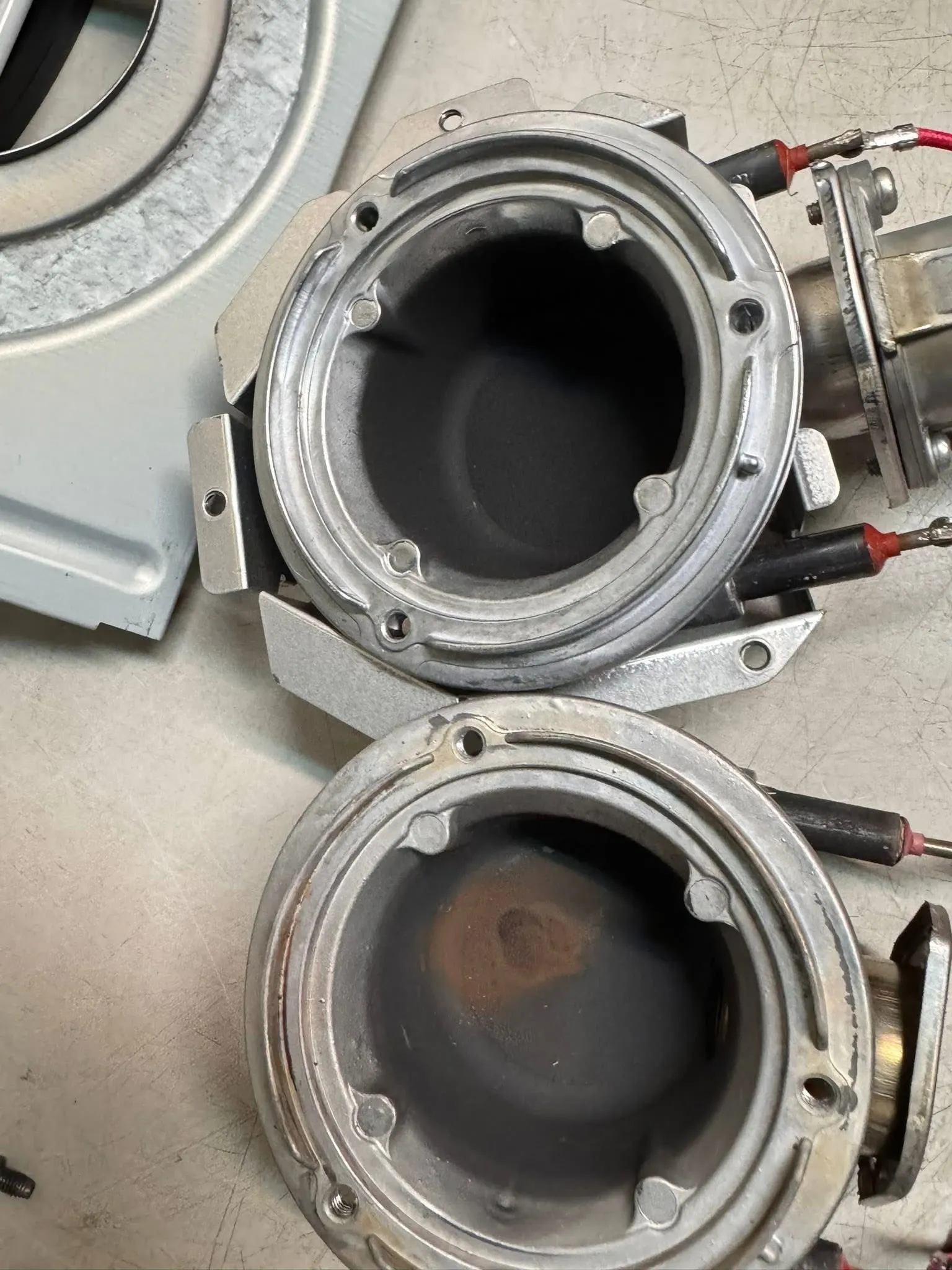
If the inner walls are sooted black and clogged with residue like in the photo, heat can’t conduct properly, and the kerosene can’t fully turn into gas. On top of that, prolonged high temperatures can deform the part, causing oil-vapor leaks—and this is precisely the main reason a heater starts giving off an odd smell after a few years of use.
The Culprits: Stale Off-Season Fuel and Aging Parts
The biggest culprits behind this kind of damage are usually “stale off-season fuel” and “aging parts.”
Once kerosene has been stored too long, it degrades, and the residue it produces when burned sticks to the inner walls like grease, tenaciously, eventually causing a blockage. When the carbon buildup gets this severe, it usually can no longer be fixed by the machine’s built-in cleaning function; and long-term use also ages the vaporizer chamber part, and can even cause a wire to break, at which point you have to get a professional technician to take it apart and replace the part.
How to Maintain It Day to Day
To keep this heart going longer, I’d suggest sticking to two principles in everyday use:
- Use only fresh kerosene each winter, and don’t drag last year’s leftover stale fuel into this year to keep burning it.
- Before storing it away in spring, be sure to drain the fuel tank dry, and run the machine until it goes out on its own.
Do these two things, and you can do your best to keep this heart from being written off prematurely by carbon buildup.