The 2026 Parent's Homework-Grading Toolkit: Set AI's Boundaries First
When you use AI to help grade your child’s homework, you absolutely must set up the standards and boundaries first—especially that “boundaries” part.
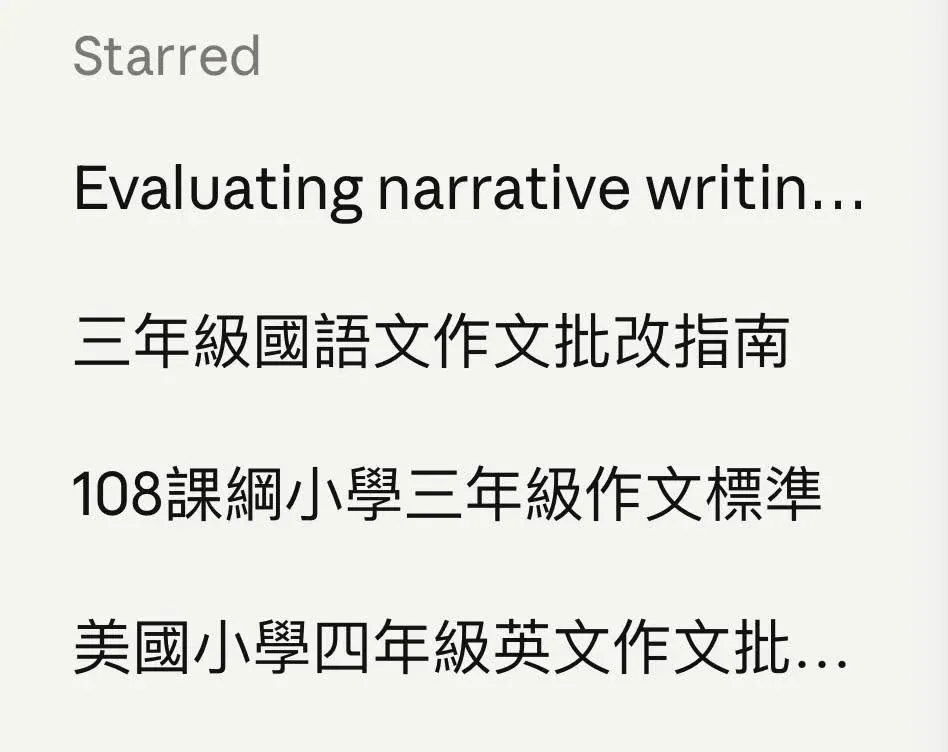
Let AI Run Loose and It Will Rewrite the Essay Into a Textbook
If you simply let AI grade in free-ranging fashion, a certain situation crops up: it forcibly “rewrites the child’s essay into a textbook passage.” That is, it shoots far beyond what the child is currently capable of learning, and applies certain grown-up standards to pass judgment.
For AI, multiple-choice or fill-in-the-blank questions are relatively easy to handle; but the moment it runs into an essay or an open-ended question, you absolutely must set up the relevant boundary rules, rather than swallowing whole whatever result AI hands you.
Challenge Its Answers, Just Like at Work
In fact, I often challenge the grading results, exactly the way I treat AI at work. After one round, two rounds, even three rounds of back-and-forth, only then do I grind out a conclusion I consider genuinely worth revising.
After all, grading a child’s homework is only “assistive” in nature—not a matter of letting AI take over completely and rewrite the whole thing. If it turns into content largely generated by AI, the child instead learns nothing from the grading process, and easily forms the habit of leaning on AI-generated content.
What We Can Teach Is the Right Mindset for Using It
As parents, we can’t completely control how our kids use AI; but in this age awash in generative content, we can at least teach them one thing—the right mindset for using it.
Let AI become a good helper in their life and their schoolwork, rather than outsourcing the whole package of “thinking” and “judgment” to AI. This, most likely, is the lesson that parents of this era most need to think through first.