Can a Taiwan Passport Clear ID.me? Three Weeks of Wrangling to Reach USPTO's Open Data
As a patent attorney (a licensed patent practitioner in Taiwan), I wanted to connect to the open-data API of the USPTO (the United States Patent and Trademark Office), only to get stuck at an identity-verification gate called ID.me. From the moment I started the application to the day I finally cleared it, the whole ordeal dragged on for nearly three weeks. I’m also grateful to an American colleague who had walked the same path before me, whose experience confirmed that this route—that a non-American can pass verification too—was actually viable.
Let me give you the conclusion first: a Taiwan passport can get through, but the road isn’t an easy one.
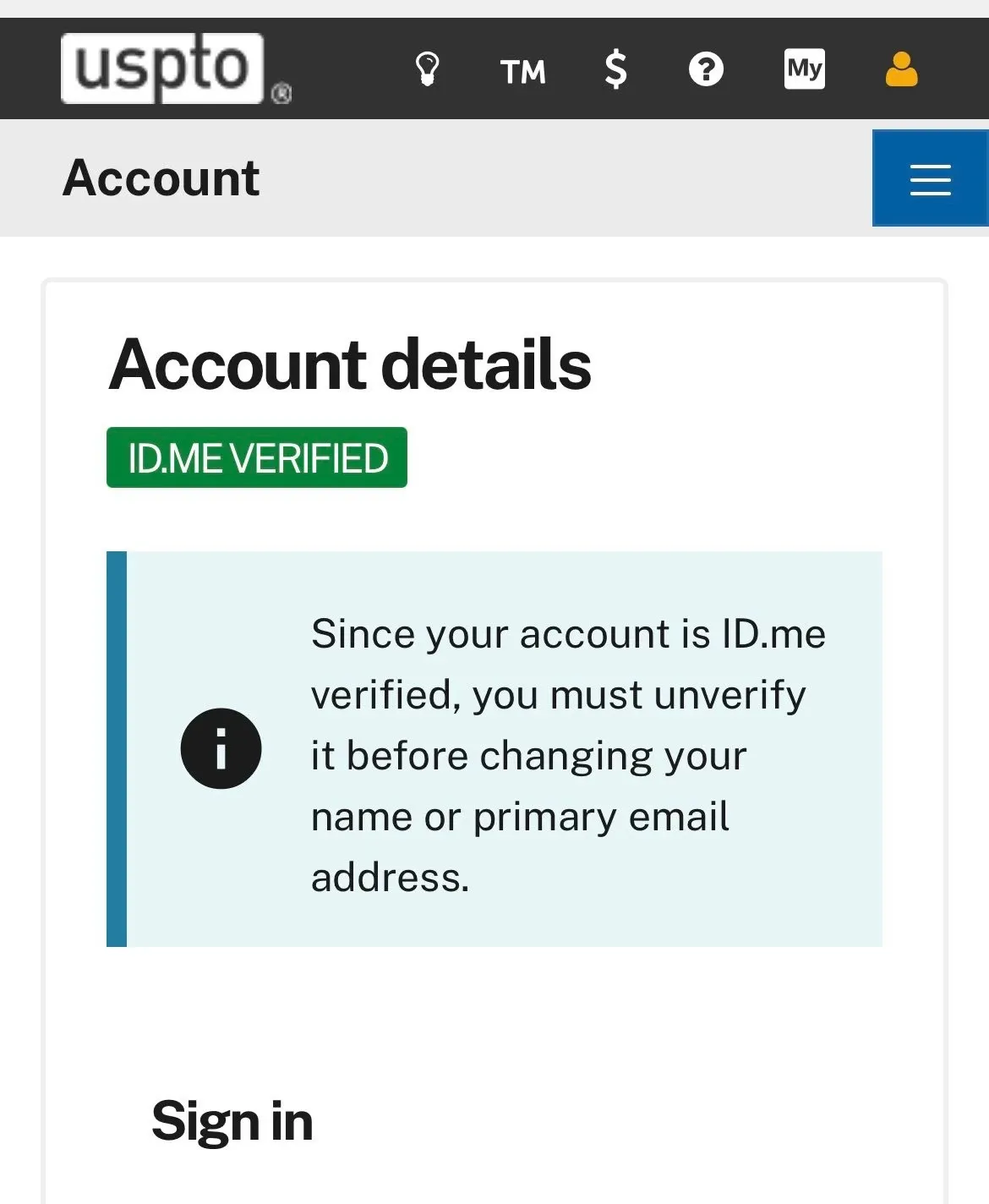
The First Pitfall: The Registration Path
You have to be careful right from the start. When registering, you must choose the “I don’t live in the United States” path—whatever you do, don’t touch Self-Service, or you’ll be shunted onto a dead-end road that demands an SSN (a U.S. Social Security number).
Next comes the phone-number field, which is locked to U.S. area codes. On the mobile version I couldn’t find any link to skip it; I only solved the problem by switching to the desktop version.
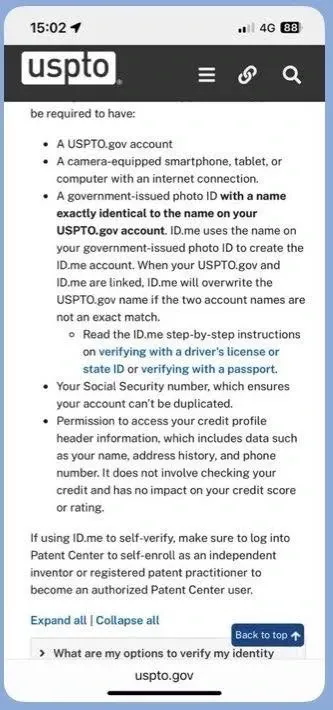
The Second Gate: Document Review
Document review tripped me up too. My driver’s license was rejected for being a non-English document, so I had to attach my own Chinese-English translation and re-upload it.
After that came a long wait. That anxiety of not knowing whether you’ve actually passed is really quite wearing.
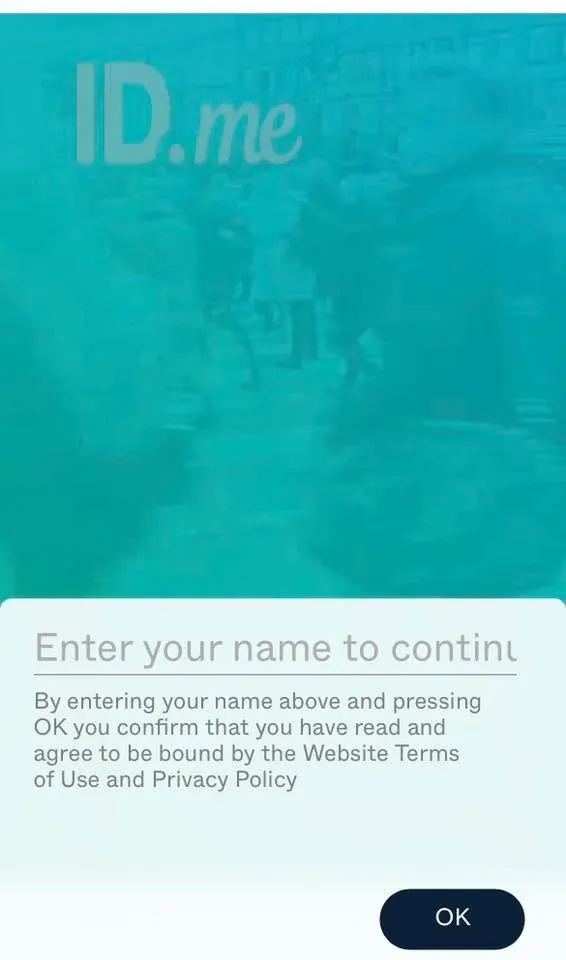
The Third Gate: Booking the Video Call Is a Roll of the Dice
Scheduling the video verification is even more of a gamble. The wait time kept bouncing around between twenty-odd and forty-odd minutes. My takeaway: once the page shows a wait of over an hour, you can basically forget about your turn coming up that day.
You also have to be especially careful with the appointment time. Is the time the system shows your local GMT+8 time, or U.S. Central Time? That’s another big trap—one slip and you’ll miss it.
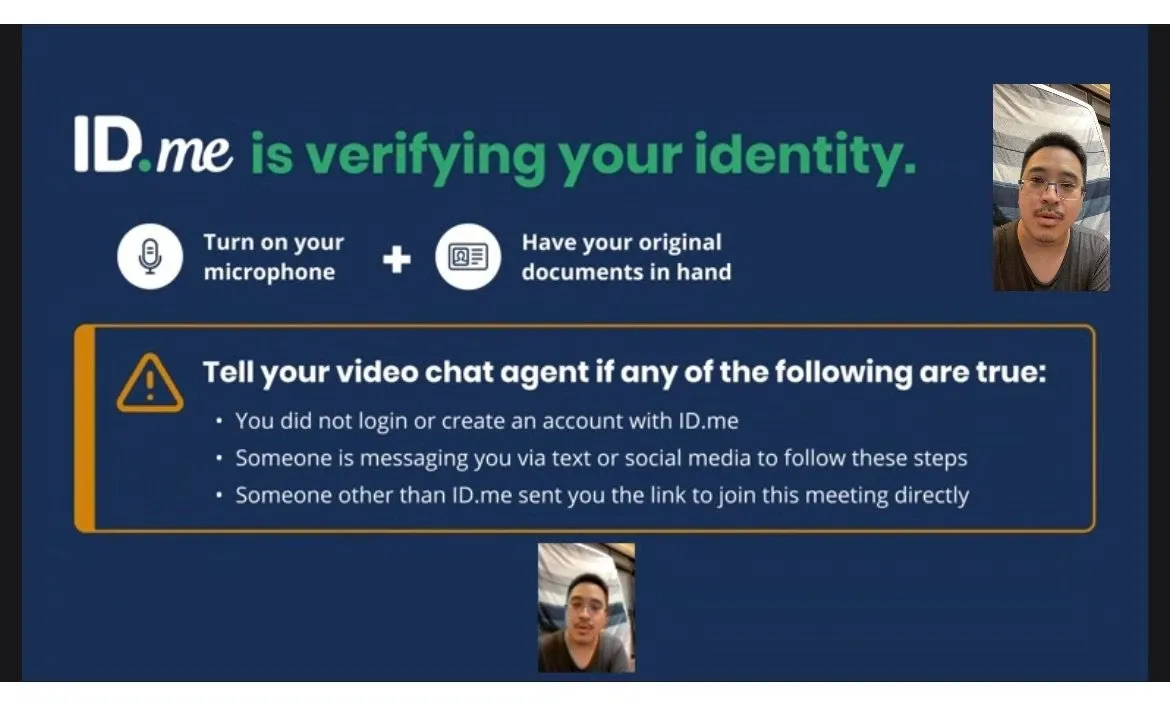
The Video Call Itself: Surprisingly Smooth
The video-call process itself turned out to be rather interesting. I’d prepared a whole stack of English cheat sheets, terrified of being stumped, only to run into a verification agent with an incredibly thick accent—I could barely make out a word he was saying, and just had to grit my teeth and follow along.
Fortunately, there was no hassle at any point; the agent looked over my documents, confirmed my face, and it was done in a little over ten minutes.
Suffer Through It Just Once
Suffer through it just once. Once you’ve passed verification, every U.S. government service that uses ID.me lets you log in directly from then on.
Now I can pull the full text of USPTO patents and trademarks, as well as prosecution history, straight out. After three weeks of wrangling, it was worth it after all.