The "Blanks" in Paid Software: You Paid for a Product, Not to Play Minesweeper
One day I wanted to test the reduce-star (star-shrinking) function in a piece of paid software, only to find that a single TIF image of over 200 MB simply wouldn’t load no matter what—yet switching to a JPG worked fine.
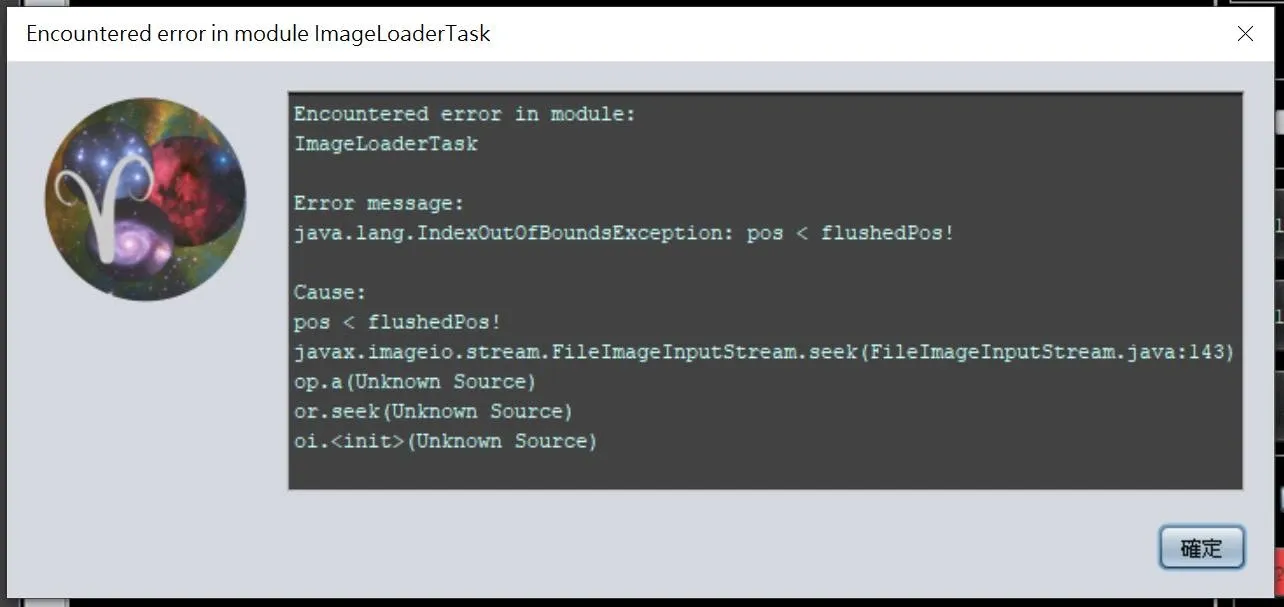
This software only updates roughly once every six months, and what it puts out is still a beta version; but even so, it’s often riddled with bugs the moment you open it.
Having used it for over two years, I’ll be honest: this software has no shortage of problems, big and small. For example, some options are outright “blanks”—by rights, selecting them should produce a response, but instead they either do nothing at all, or the result they yield is identical to that of other options. You can use it for stacking (just remember to pick the right interpolation algorithm), but if all you want is to stack images, there’s actually the free Siril to choose from: at the very least it doesn’t have those blank options that do nothing when you press them, it doesn’t cost NT$5,000, and its interface even comes with a Simplified Chinese menu.
To be fair, if this software only sold for NT$500, I probably wouldn’t have much to complain about—you get what you pay for. But when it charges NT$5,000 and the user experience is still like this, it’s hard not to feel it isn’t quite worth it.
Finally, a word for the developers: users pay money to buy a product, not to play minesweeper with you. Once or twice of something not working, and many people will simply give up on the product for good—especially having spent NT$5,000, they’ll feel all the more aggrieved. Those who make software should always keep this in mind.