Harmonic Equatorial Mounts Look Alike—So What Does That Have to Do with Design Patents?
As a practicing patent attorney, watching harmonic equatorial mounts roll out one model after another in recent years—each so similar in appearance to the last—I can’t help but think one layer deeper, from the standpoint of patents. And this is where the importance of the “design patent” comes into view.
What Does a Design Patent Protect?
The purpose of a design patent is to protect a product’s appearance design, preventing competitors from directly copying or imitating it with the same or a similar look.
In other words, if a manufacturer launches a product with a distinctive appearance but never files a design patent for it, then in law it will find it very hard to stop later entrants from launching products with the same or a similar appearance. For a market leader, this is actually a gap worth watching—you were the first mover and established a certain look, yet you didn’t fence that look off with a patent, which is tantamount to letting a whole crowd of latecomers simply reference and reuse it.
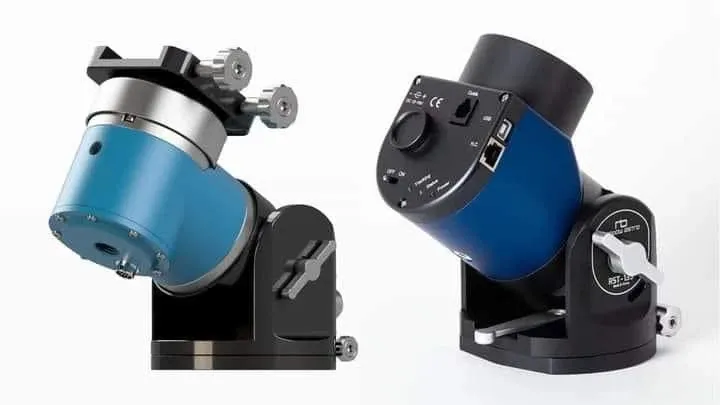
In the image above, on the left is the Sharpstar Mark I, and on the right is the RainbowAstro RST-135.
Let Me Be Clear First: This Article Is Not Saying “These Two Look Alike”
I want to make a special point of clarifying that the focus of this article is not to allege that these two mounts look alike, or that one copied the other. What I want to discuss is a more general phenomenon: when a market leader has no design-patent protection whatsoever, it cannot, in law, directly prohibit other competitors from using the same or a similar appearance.
What is more intriguing is that I’ve observed some market-leading manufacturers choosing to make moral appeals only to “larger-scale” latecomers; as for latecomers who may have a cooperative relationship with them adopting a similar look, there is almost no reaction at all. This selective attitude, to some degree, also reflects that the manufacturer may still have room for improvement in its legal and intellectual-property strategy.
The Various Harmonic Mounts—Do You Think They Look Alike?
Finally, here are some harmonic equatorial mounts from other manufacturers, either about to launch or already launched. Feel free to judge for yourselves—just how alike are they, really?
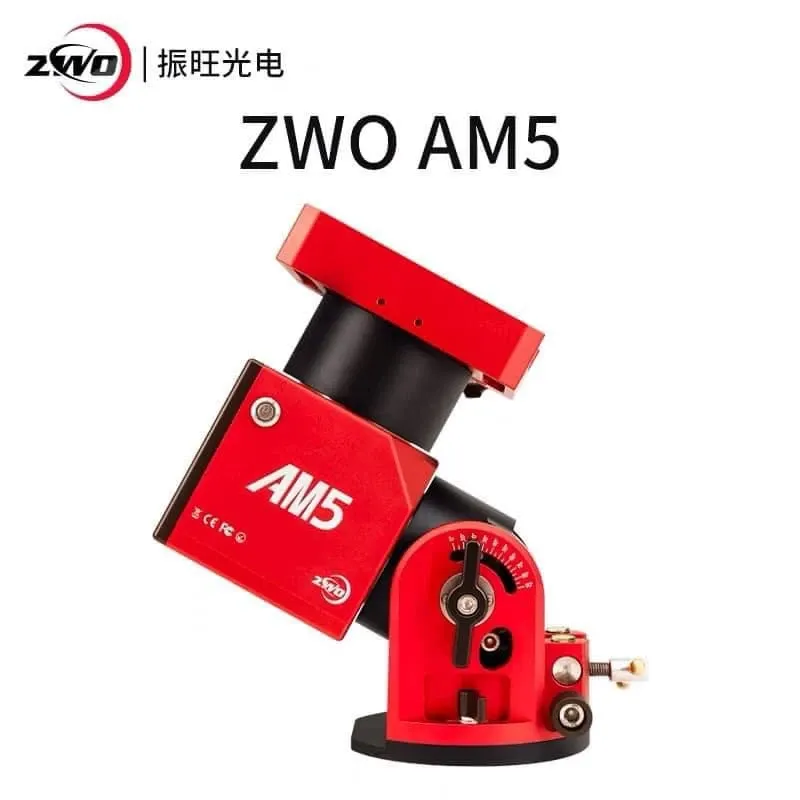
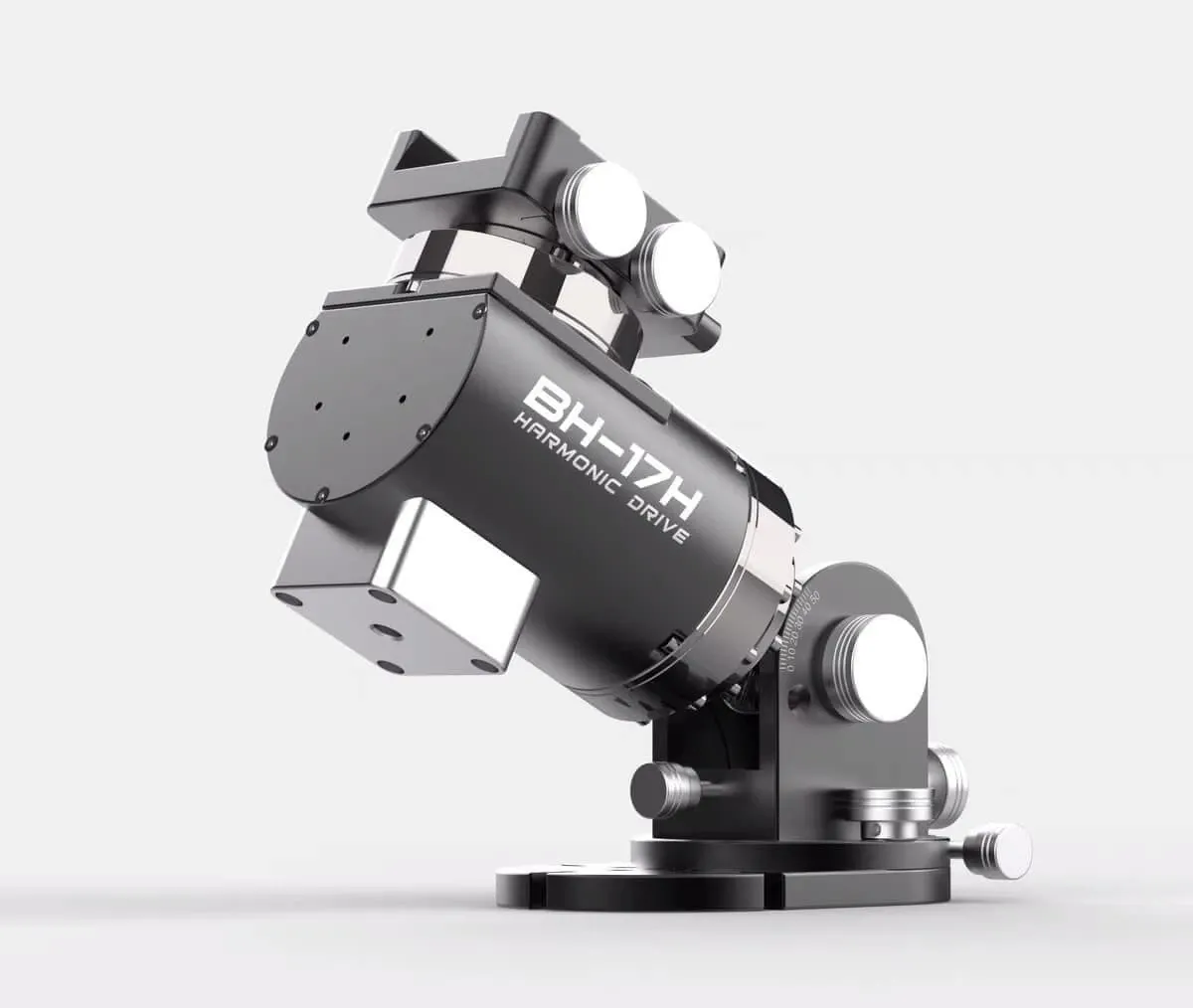
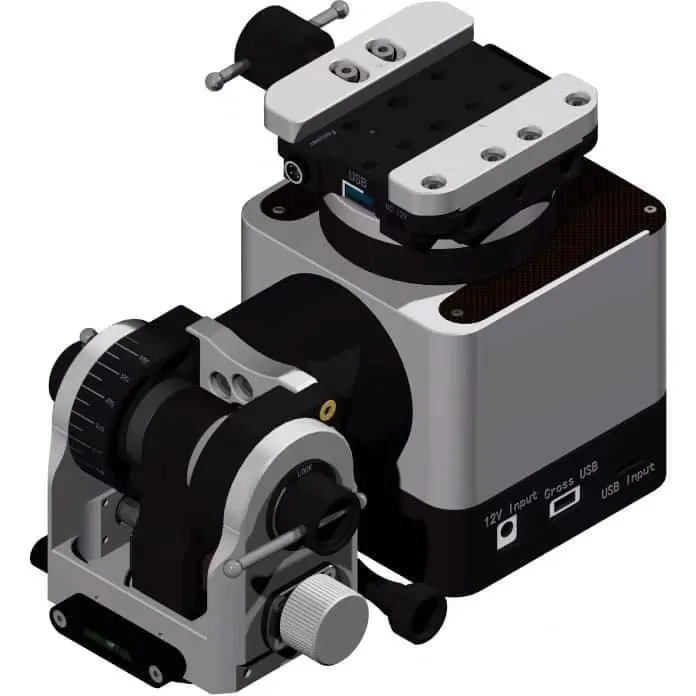
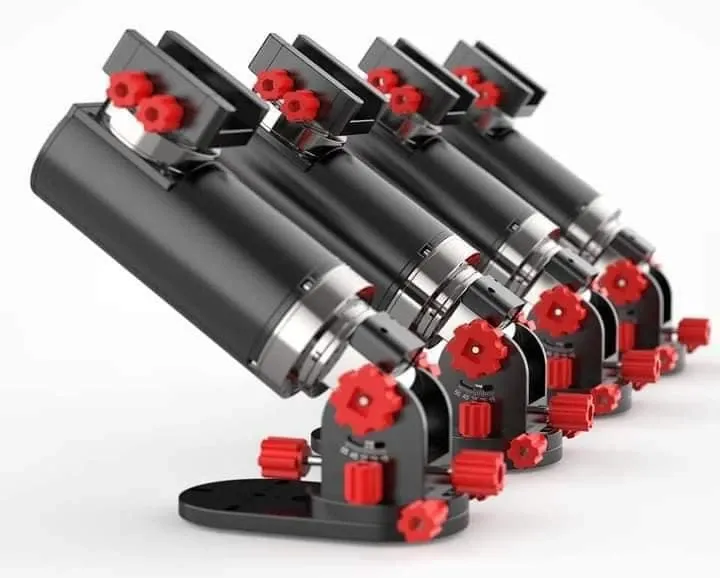
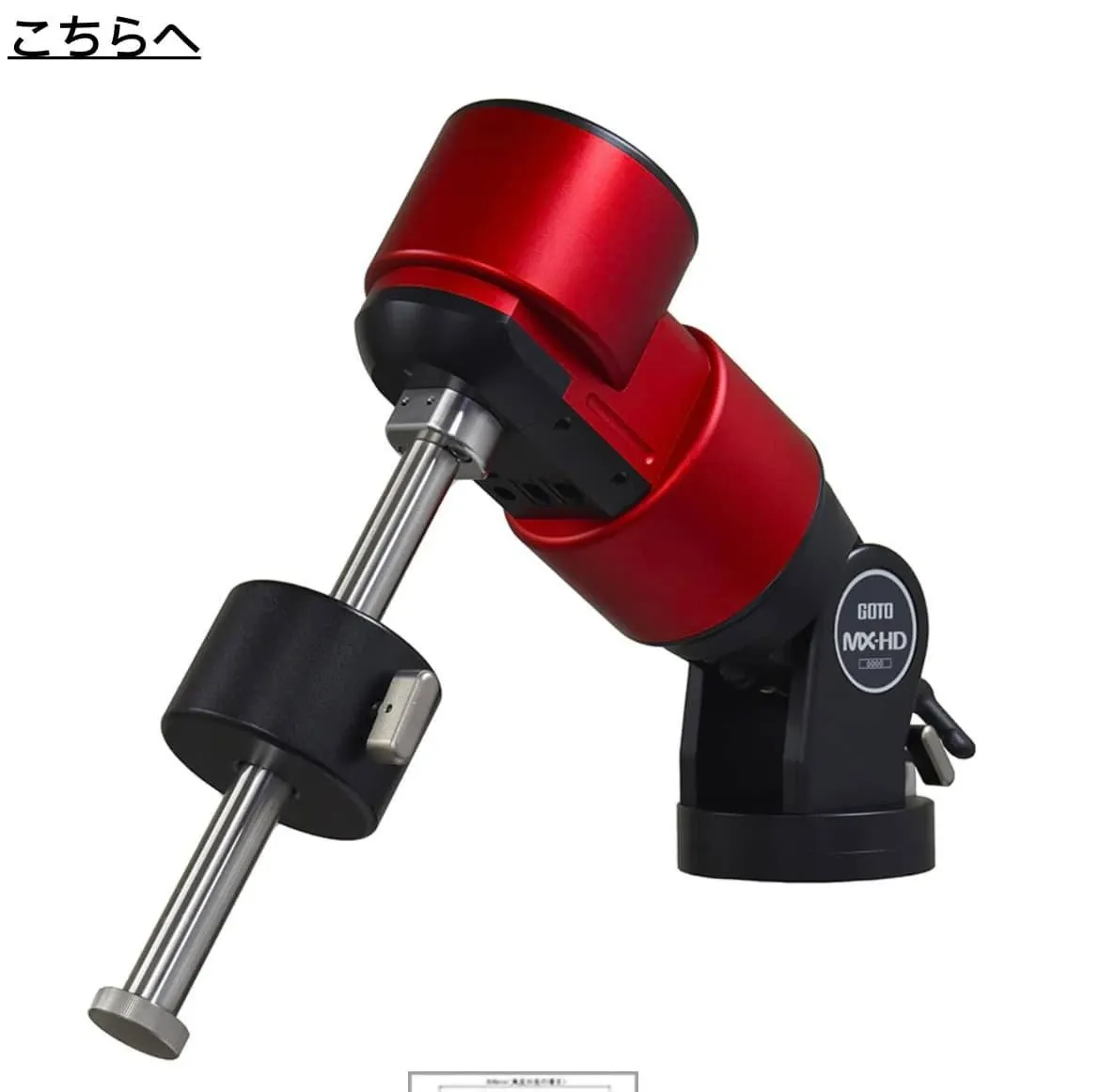
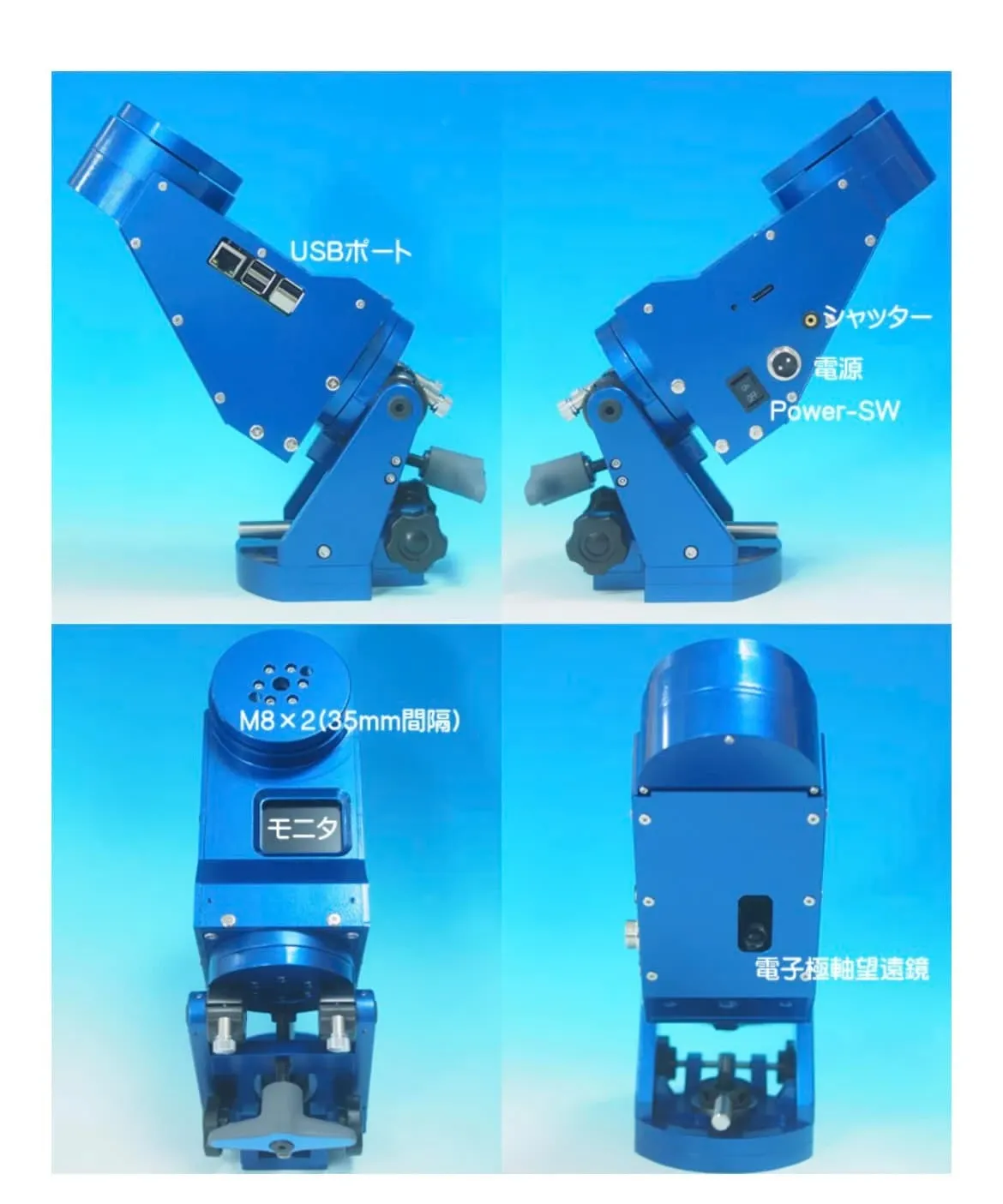
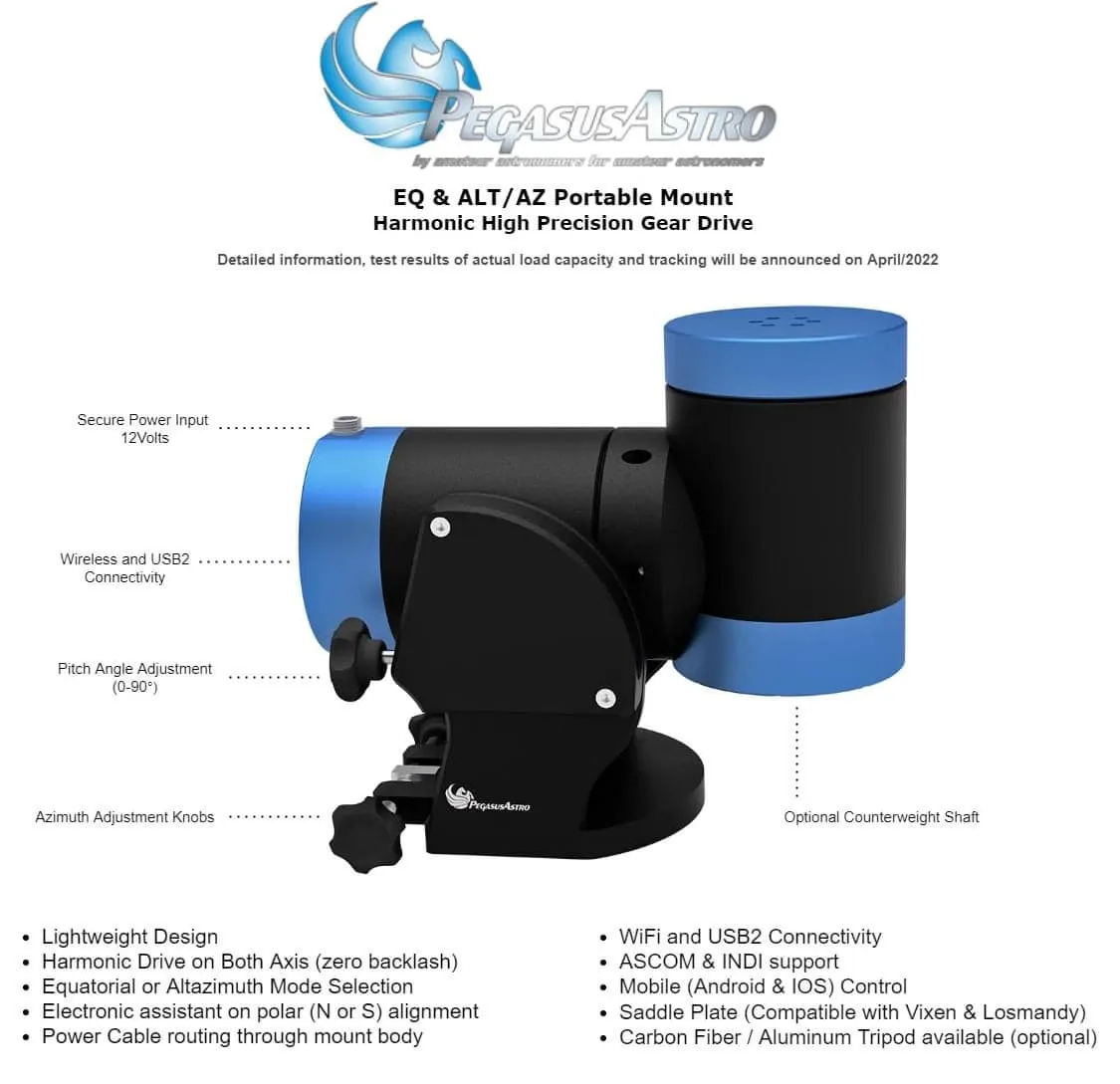
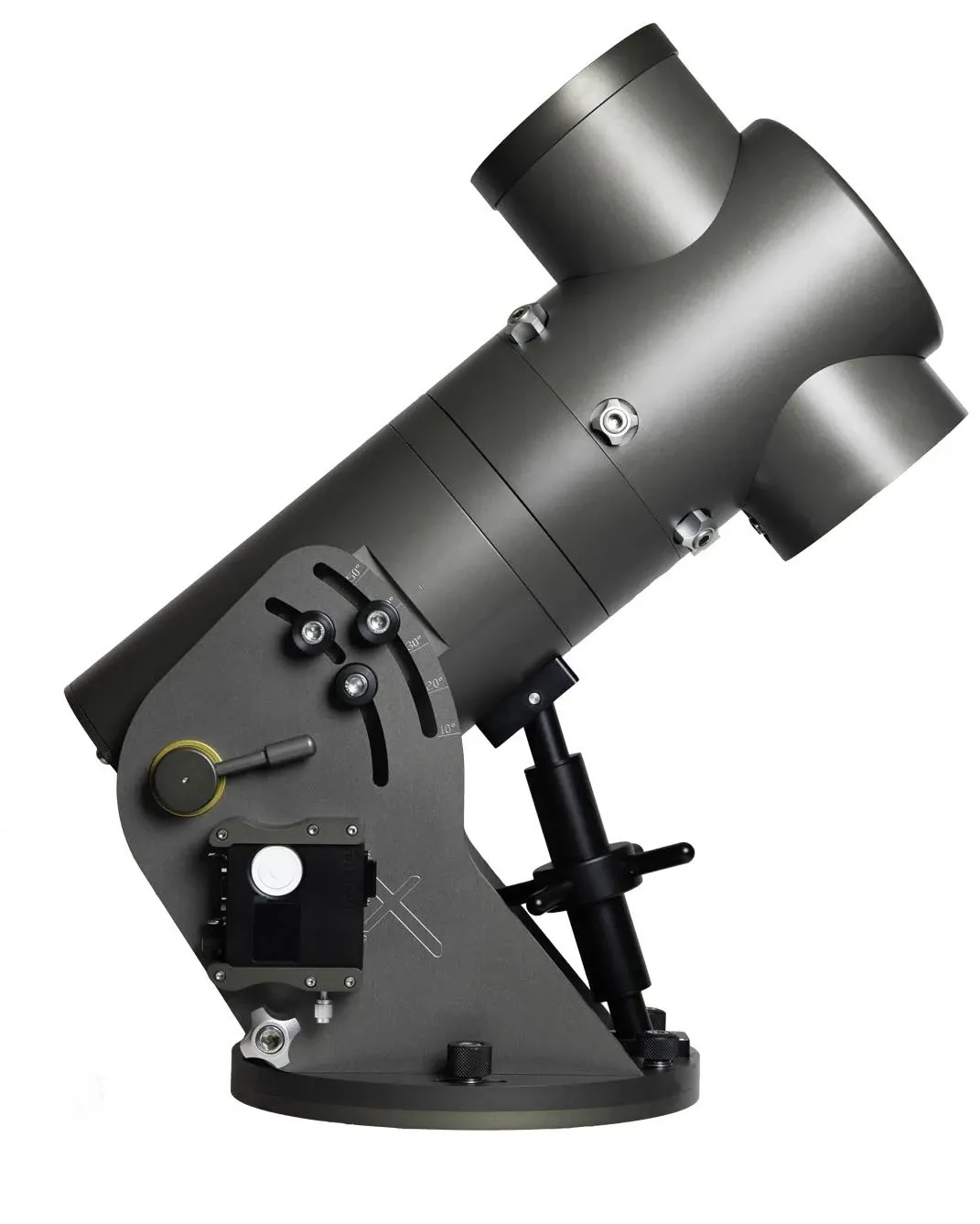
Whether the appearances are similar is a matter of opinion; but the reminder this holds for manufacturers is very concrete—when you are the market’s first mover, rather than relying on moral appeals after the fact, it is better to protect your appearance early with a design patent.